La Lucia July 2026

August 6, 2026

Crawford International La Lucia Welcomes Guineafowl to Campus Conservancy


Crawford International La Lucia has reached an exciting milestone in its commitment to environmental stewardship and sustainability through a new conservation partnership aimed at supporting indigenous wildlife in the local coastal ecosystem.  


In collaboration with the Umhlanga Ratepayers and Residents' Association (URRA) and KwaZulu-Natal wildlife rehabilitation experts, the school's campus conservancy has been selected as a protected release site for rehabilitated indigenous species. The initiative forms part of a broader effort to restore biodiversity in the coastal belt between the Beachwood area and the uMhlanga River, where rapid urban development has placed increasing pressure on natural habitats.  


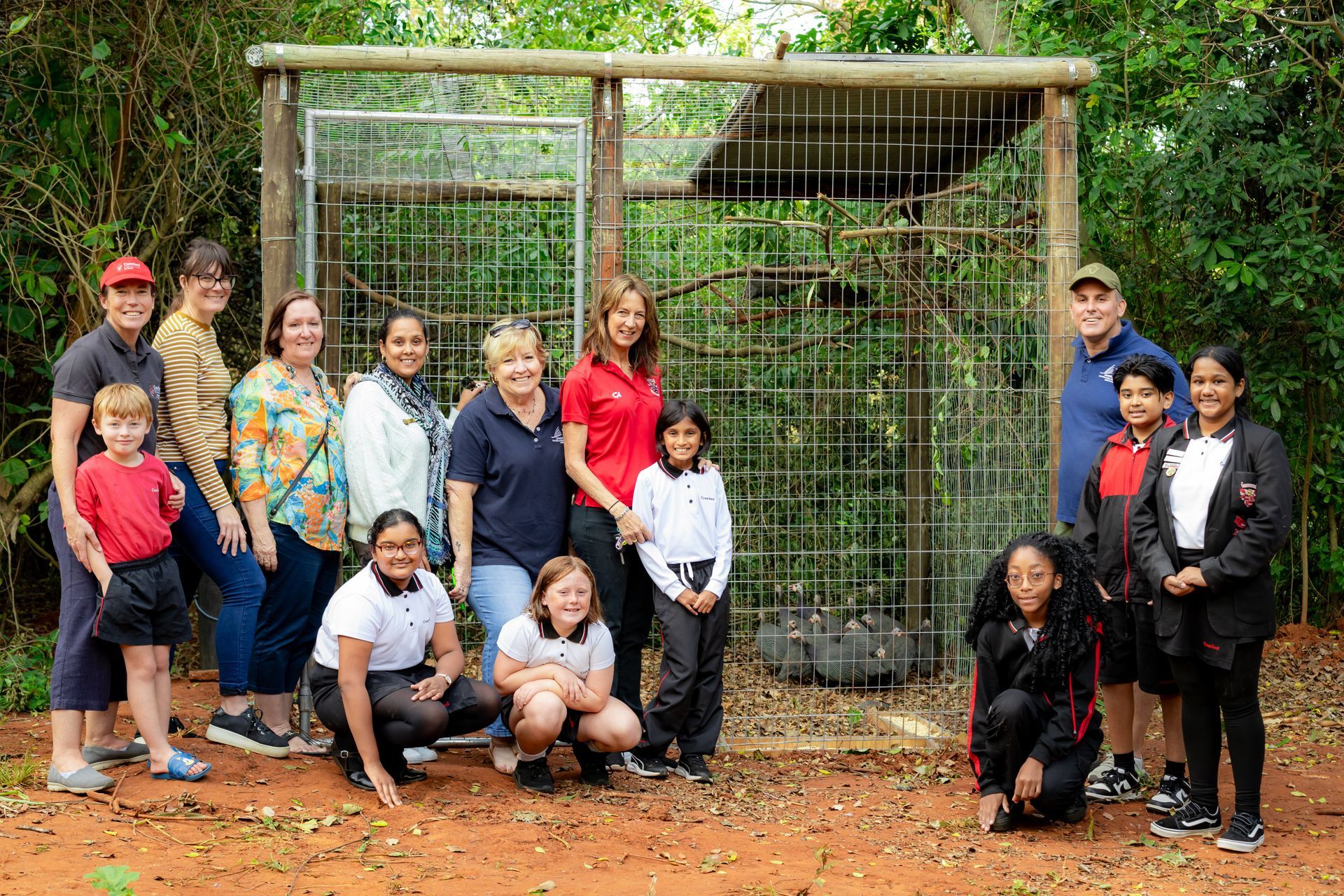
The first residents to be welcomed into the conservancy are a flock of Helmeted Guineafowl. Before being released into the wider ecosystem, the birds will spend time acclimatising in a purpose-built pre-release enclosure located within the school's conservancy. The enclosure provides a safe and secure environment that allows the birds to adapt gradually to their surroundings.  


Guineafowl play an important ecological role and are well known for their ability to naturally control ticks, insects, ants, and weed seeds. Their presence will contribute positively to the health of both the school grounds and the surrounding green belt, while reducing the need for chemical interventions.  


This conservation partnership also creates valuable educational opportunities for students. By transforming the campus into a living environmental classroom, students are able to observe conservation in action and gain a deeper understanding of biodiversity, ecosystems, and the importance of responsible environmental stewardship.  


The school extends its sincere thanks to Fencerite for assisting with the construction of the pre-release enclosure, helping to ensure a successful start to this important initiative.  


As the guineafowl settle into their new home, Crawford International La Lucia looks forward to sharing further updates and continuing its role in protecting and restoring the natural environment for future generations.  

International Families Coffee Morning Success  


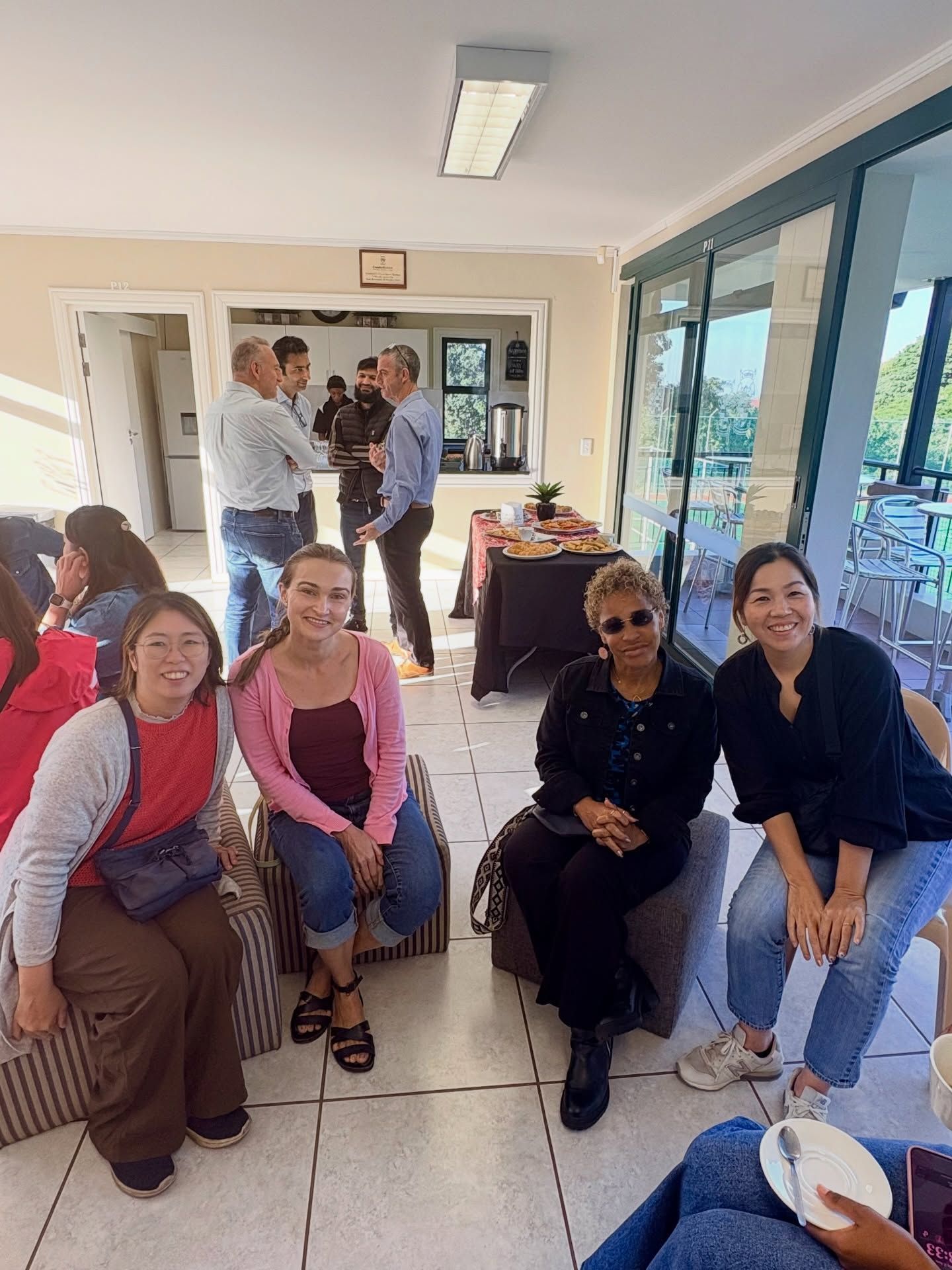
There was a wonderful sense of community as Crawford International La Lucia recently welcomed some of our international families for a special morning of connection and conversation.  


The gathering provided parents from around the world with the opportunity to meet one another, share their experiences, and build meaningful relationships within our school community. As a home away from home, we are committed to creating an environment where every family feels welcomed, supported, and valued.  


It was heartwarming to see new friendships forming and stories being shared, highlighting the diversity that enriches our campus and makes our community so unique.  


We extend our sincere thanks to all the families who joined us and contributed to such a memorable morning. We look forward to hosting many more opportunities for our international families to connect and continue building the strong sense of belonging that makes Crawford International La Lucia so special. 

Pre-Primary
Celebrations of Learning  


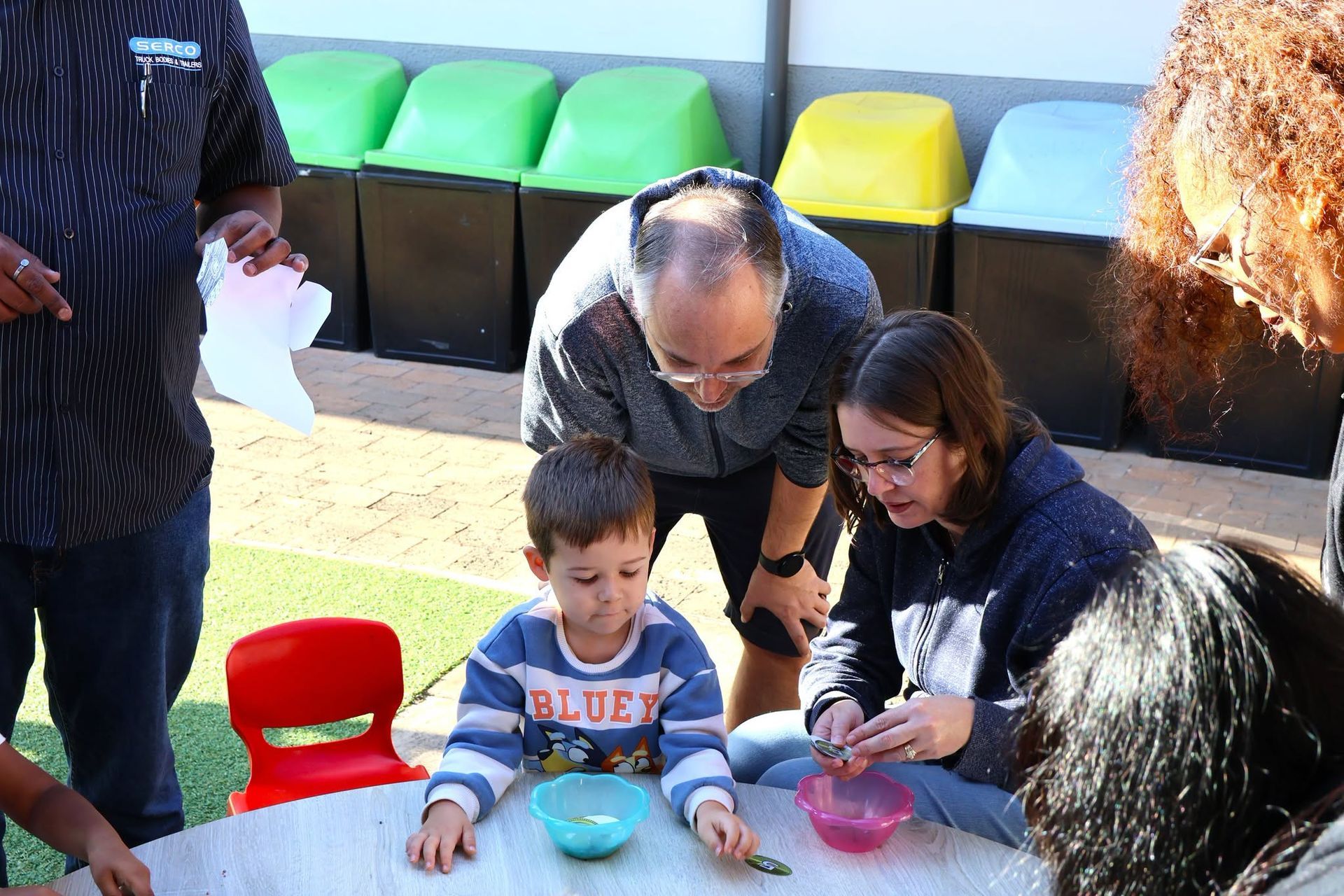
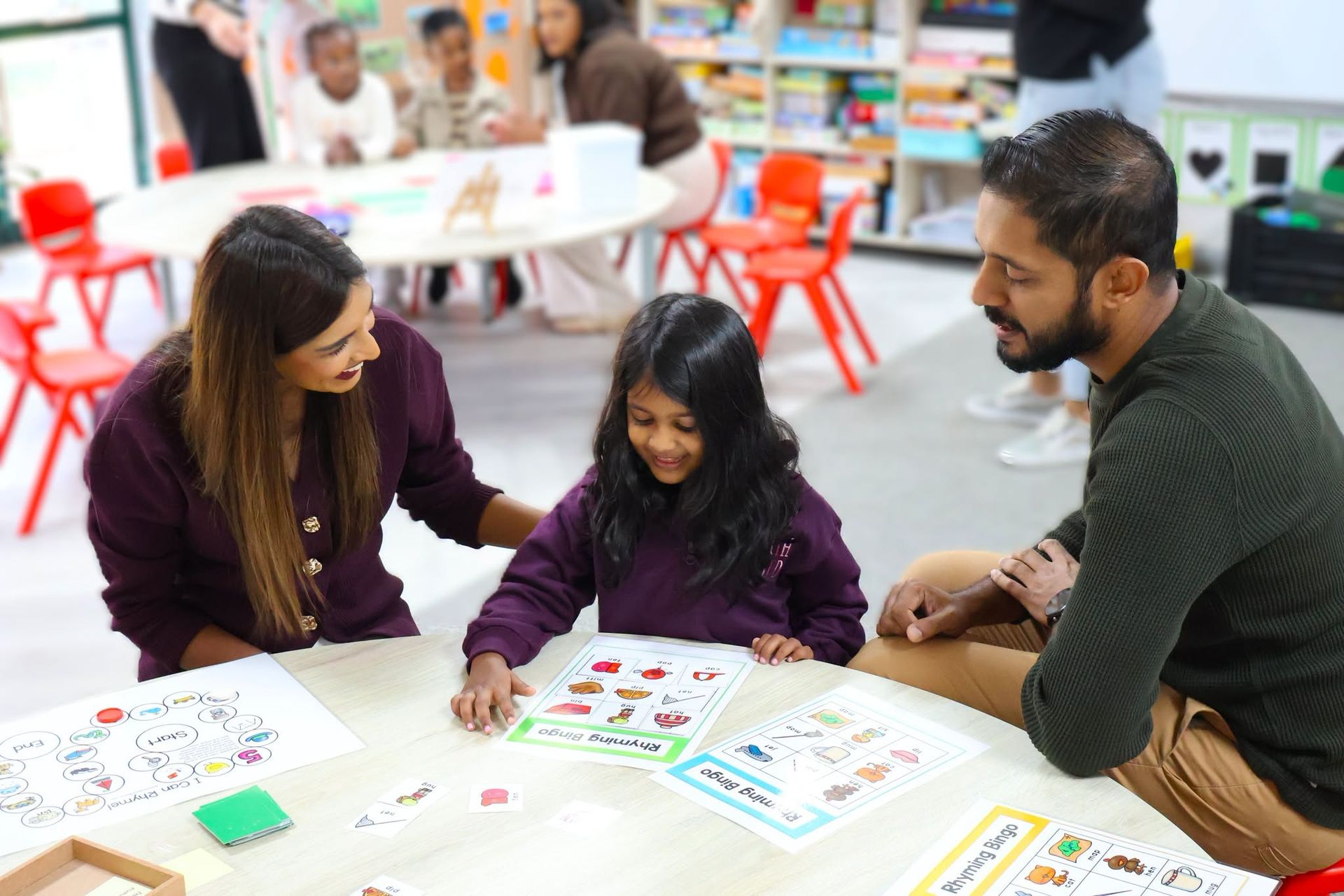
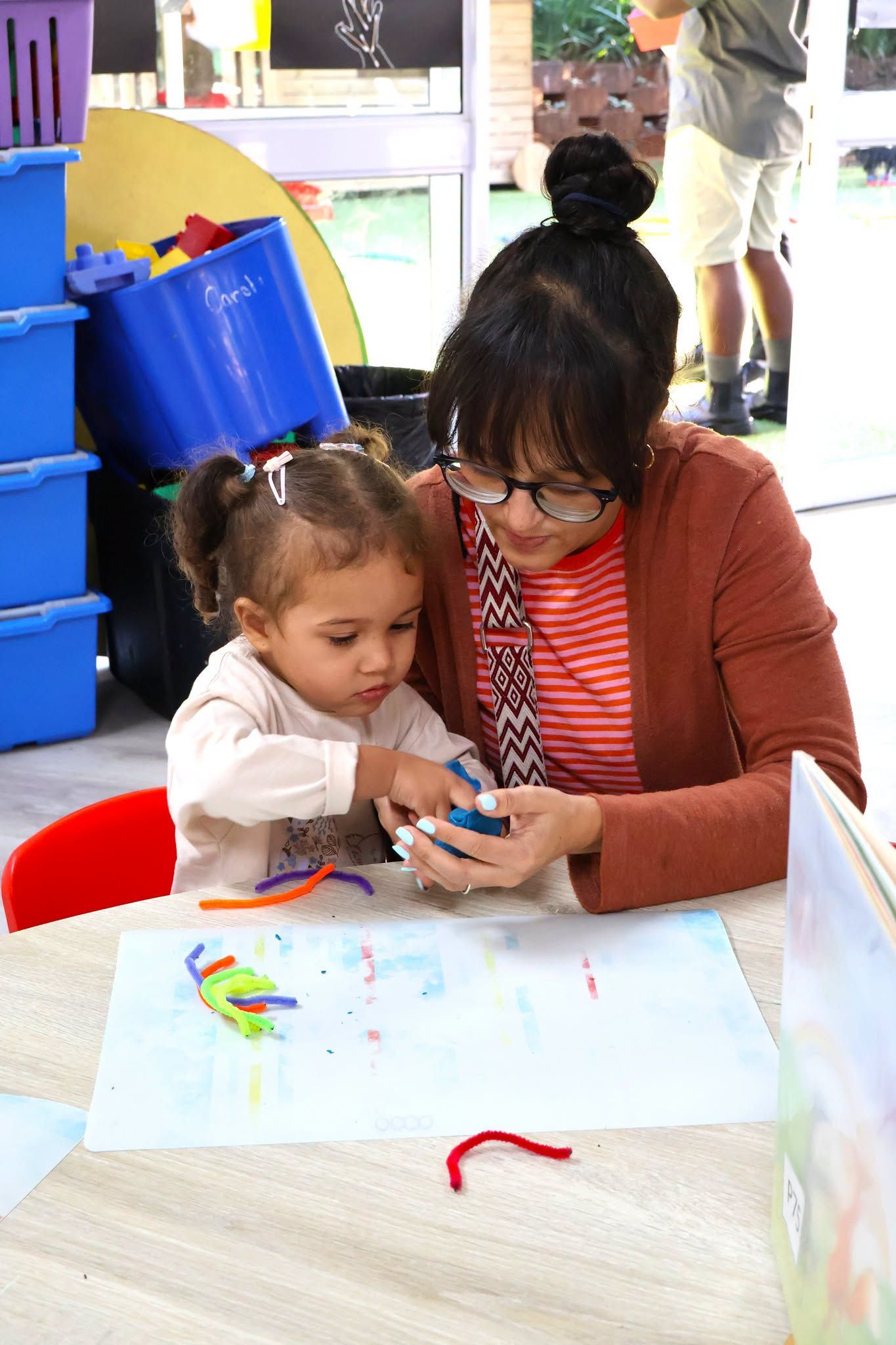
Our Crawford International La Lucia Pre-Primary students recently enjoyed a very special Celebration of Learning, and what wonderful mornings they were.  


Parents and loved ones were invited into the classroom to experience first-hand the learning, growth, and creativity that have filled our days this year. From interactive activities to shared moments of discovery, our students loved having the opportunity to showcase their developing skills and growing confidence.  


The morning was filled with smiles, laughter, and proud moments as families joined their children in celebrating their learning journey so far.  


Thank you to everyone who joined us for this memorable occasion. We are incredibly proud of our students and look forward to watching them continue to learn, grow, and shine throughout the year.
Does this Plant Belong Here? 


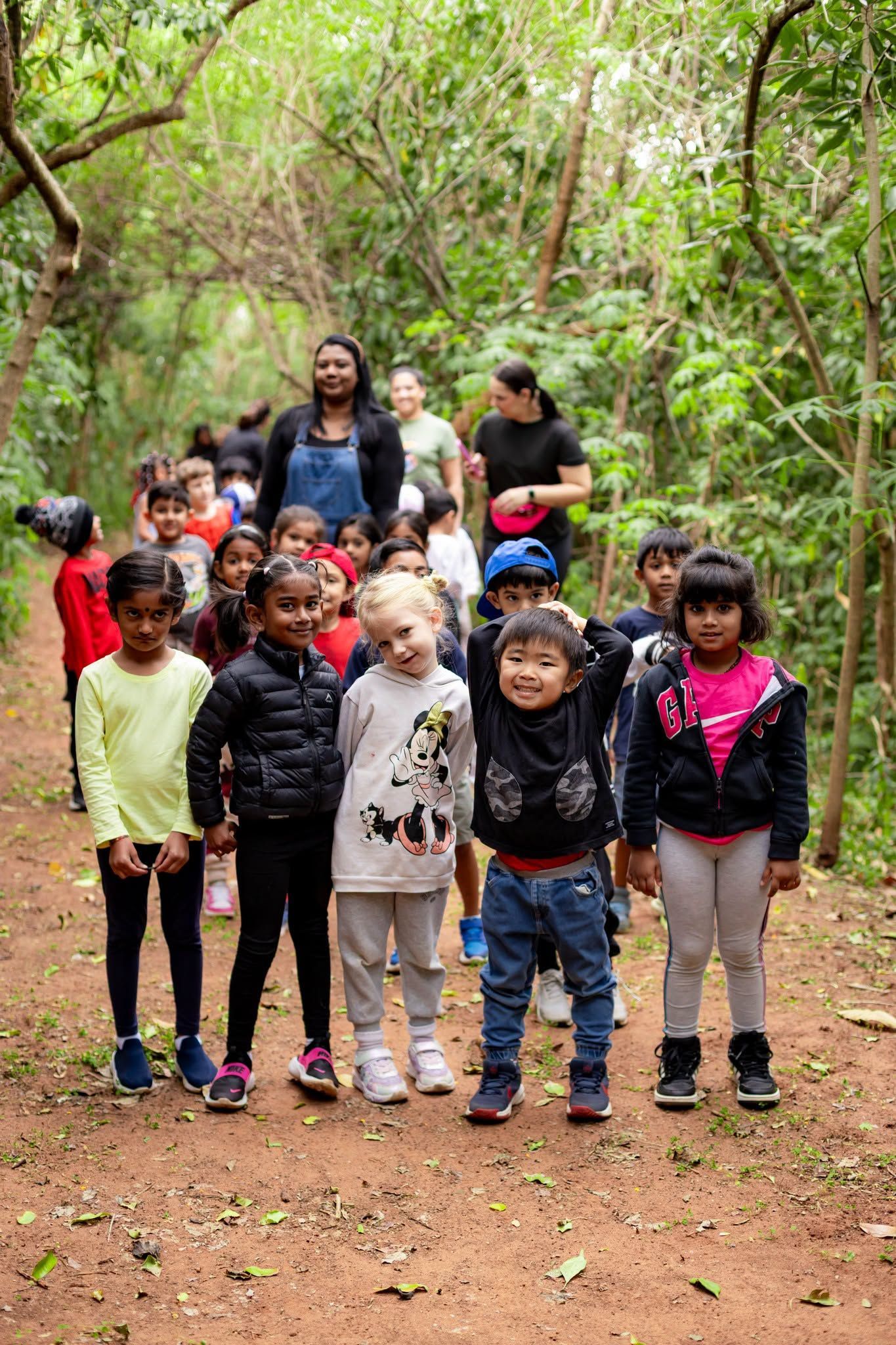
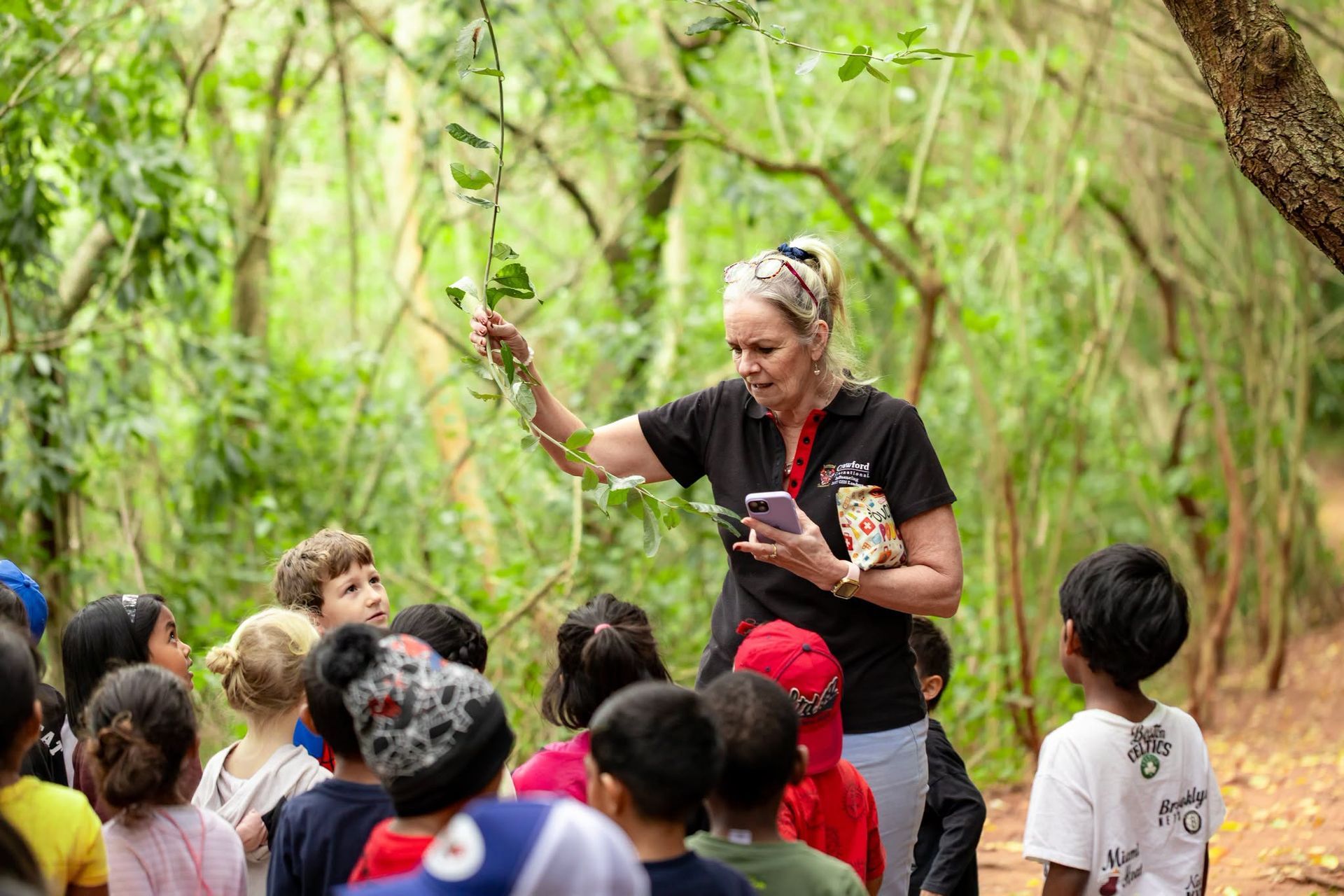
That simple question sparked rich conversations as our Pre-Primary Grade 00 students explored our Crawford conservancy on a recent nature walk. 


At just 4 and 5 years old, our students are beginning to understand that nature is made up of many different living things and that every plant plays a role in the environment. Along the way, they noticed differences between plants, asked questions, shared observations, and learned that some plants naturally belong in the conservancy while others have been introduced from elsewhere. 


There is something powerful about watching young children learn with their whole bodies and all their senses; walking, looking closely, wondering, discussing, and making connections to the world around them. 


These moments remind us that some of the most meaningful learning doesn't happen at a desk. It happens when children are given the opportunity to explore, question, and discover for themselves. 


Growing curious minds and nurturing a lifelong respect for the natural world. 

Preparatory 

Winter Warmth Collection 


Crawford International La Lucia Preparatory once again partnered with The Domino Foundation for our annual Winter Warmth Food Drive, encouraging our community to help fill 25-litre buckets with essential food items for families in need.


Inspired by the motto, "Be a Bucket Filler," our students, parents, and staff responded with incredible generosity. No sooner had the campaign launched than requests for buckets started pouring in, and before long, they were returning filled with nourishing food supplies. 

Thanks to the compassion and kindness of our school community, we collected an amazing 90 buckets of food. 


These contributions will help provide much-needed nourishment and hope to families during the cold winter months. We extend our heartfelt thanks to our Crawford International families for embracing this initiative and demonstrating the power of caring for others. 

Together, we are making a difference – one bucket at a time. 


Inter-House Cross Country Showcases Determination and House Spirit  


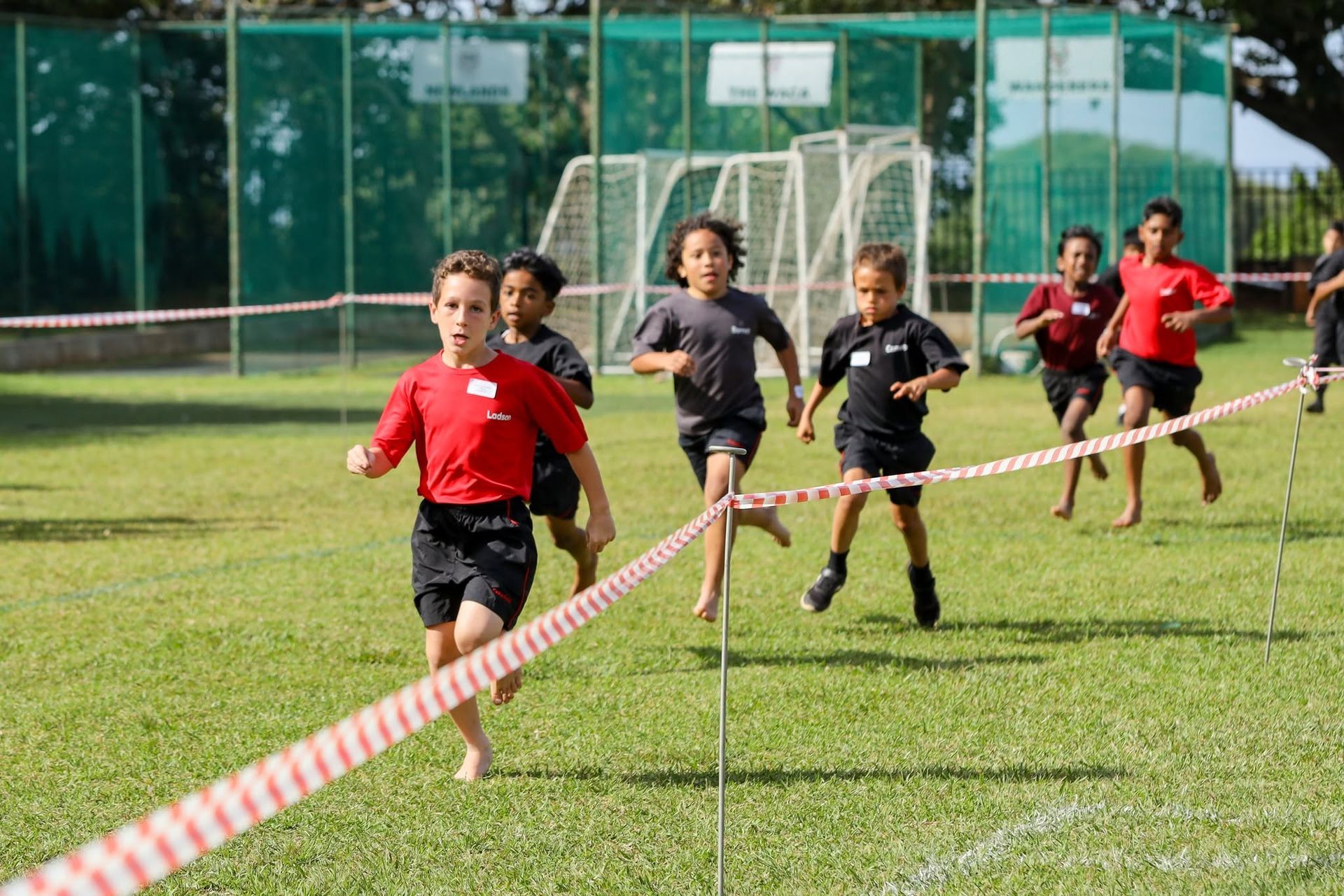
The Preparatory recently hosted its annual FP and ISP Inter-House Cross Country events, with both days blessed by beautiful autumn weather and filled with enthusiasm, determination, and outstanding house spirit.  


Our picturesque campus once again provided the perfect setting for a true cross-country experience, allowing students to test their endurance across a challenging course while encouraging and supporting one another every step of the way. It was especially pleasing to see the continued improvement in performance and the increase in participation across all age groups, particularly amongst our senior students.  


One of the highlights of the Foundation Phase event was the ever-popular parents' race, which brought plenty of laughter and excitement as families joined in the fun and added to the wonderful sense of community.  


Congratulations to all our runners for embracing the challenge with resilience, determination, and excellent sportsmanship.  


FP Results  

  • 1st Place: Barrett House  
  • 2nd Place: Ladson House  
  • 3rd Place: Cameron House  
  • Mary Hilliar Spirit Trophy: Ladson House  


ISP Results  

  • 1st Place: Ladson House  
  • 2nd Place: Barrett House  
  • 3rd Place: Cameron House  


A heartfelt congratulations to all our students for making this year's Inter-House Cross Country another memorable success. We are incredibly proud of the effort, perseverance, and camaraderie displayed by every participant.  


College  

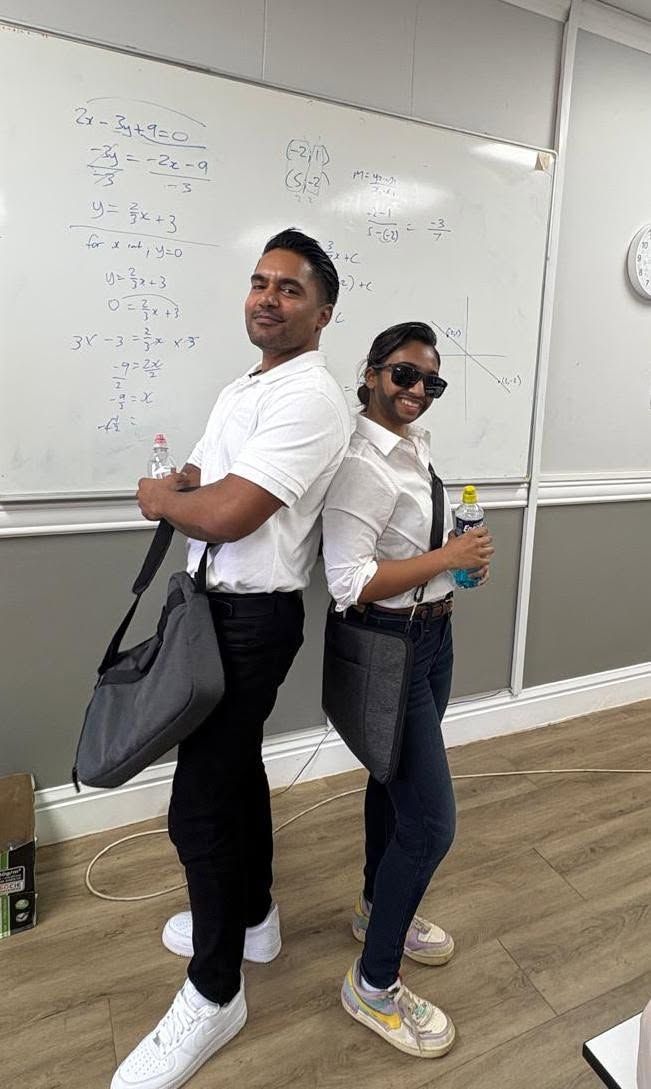
Grade 12 Spirit Week Fun  


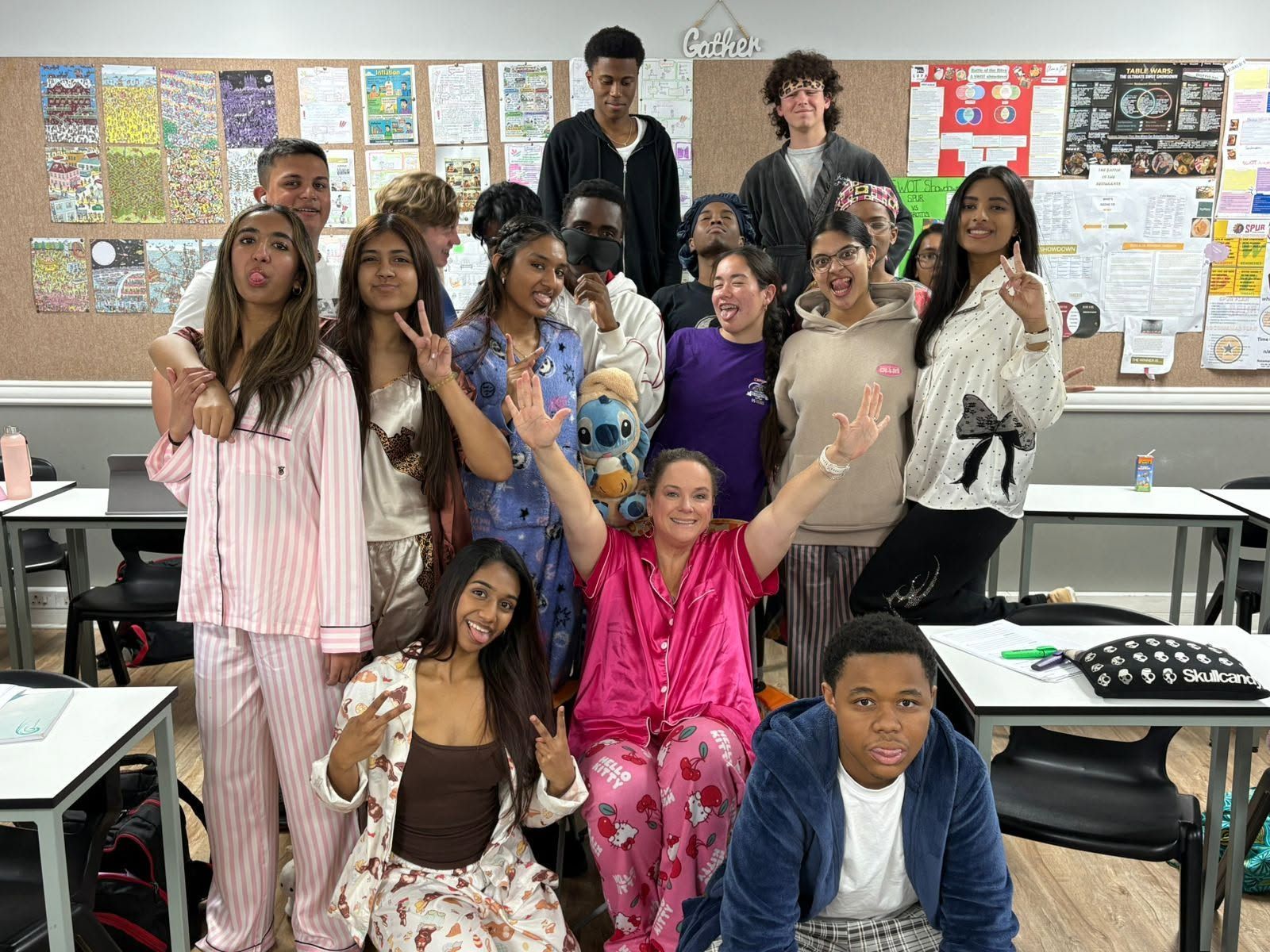
The Crawford International La Lucia College Grade 12 Spirit Week brought exciting energy to the corridors recently.  


From nostalgic childhood career outfits, to dressing like your teacher, meme day, the always hilarious "anything but a bag" day, and of course pajama day ending the week on a comfortable note.  


Beyond the fun and dress-up themes, the week served as a reminder of the strong sense of unity within the 2026 Matric group. As the pressures of the final year continue to build, Spirit Week allowed our students to take a step back, enjoy each other’s company and create lasting memories together.  


The enthusiasm and participation from the Grade 12s made the week a memorable success!  

September 25, 2026
Does Success at School Have to Mean Straight A's? For many parents, academic results are one of the clearest ways to measure how a child is doing at school. Good marks can be a source of pride and can open doors to future opportunities. But does success at school have to mean achieving straight A's? Academic achievement is important, but a child’s school experience is about more than a report card. Success can look different for every student and recognising that difference can help children develop a healthier, more confident approach to learning. Marks matter, but they are not the whole picture Strong academic performance can reflect hard work, understanding and commitment. Schools have a responsibility to provide students with the knowledge and skills they need to achieve their academic goals and prepare for their next steps. At the same time, marks do not always capture everything a child is learning or how much they are growing. A student who becomes more confident speaking in class, learns how to manage a difficult subject or perseveres after making a mistake is experiencing meaningful progress, even if that progress is not immediately reflected in a higher mark. What does success look like beyond As? A broader view of school success can include a range of personal and academic milestones, such as: Becoming more confident in asking questions and sharing ideas. Developing resilience when faced with challenges or setbacks. Learning to work effectively with others. Discovering an interest or talent in a new area. Taking greater responsibility for learning and personal goals. Developing leadership, communication and problem-solving skills. Every child has a different path Children do not all learn in the same way or at the same pace. One student may excel academically from an early age, while another may need more time and encouragement before a subject clicks. Some may find their confidence through sport, music, art or leadership, while others discover it through academic challenges. This does not mean lowering expectations. Instead, it means understanding that high expectations and individual support can work together. Children should be encouraged to aim high while also being given the guidance they need to recognise their own progress. The importance of confidence and resilience School inevitably comes with challenges. Students will encounter subjects they find difficult, assignments that do not go to plan and moments when they may not achieve the result they hoped for. Learning how to respond to these experiences is an important part of growing. A child who understands that a setback is not a definition of their ability is more likely to try again, ask for help and keep going. Over time, these experiences can build resilience and a willingness to embrace challenges rather than avoid them. Making room for different kinds of achievement A well-rounded school experience gives students opportunities to succeed in different ways. Sport can develop teamwork and discipline. Cultural and creative activities can encourage self-expression. Leadership opportunities can build confidence and responsibility. Academic challenges can strengthen knowledge, critical thinking and problem-solving. These experiences do not compete with academic achievement. They can complement it, helping students develop the wider skills and qualities they need to navigate future study, work and life. How parents can think about success Parents can play an important role by looking beyond individual marks and asking broader questions. What is your child enjoying? What are they finding challenging? Where have they grown in confidence? What new skills or interests have they discovered? Celebrating effort, improvement and perseverance alongside academic achievement can help children understand that success is not about being perfect. It is about learning, growing and continuing to move forward. A broader definition of success Straight A's can be an achievement worth celebrating, but they are not the only measure of a successful school experience. True success can also be seen in a student who becomes more confident, learns to persevere, discovers a passion, or begins to believe in what they are capable of. At Crawford International, academic excellence is supported by opportunities for students to develop their interests, confidence and wider skills. This balanced approach recognises that every student has different strengths and that success is about helping each child make meaningful progress while preparing them for what comes next. As a school, the goal of education is not simply to collect the highest marks. It is to help young people develop their knowledge, character and confidence to make the most of their potential. Discover our holistic approach to education by booking a personalised tour.
September 18, 2026
What Can You Really Learn From a School Tour? Choosing a school is about more than comparing websites, prospectuses and academic results. While these can provide useful information, there is something different about seeing a school in person. A school tour gives parents the opportunity to experience the environment where their child could spend some of their most formative years. But what should you actually look for on a school tour? Beyond the buildings and facilities, a visit can tell you a great deal about the school’s culture, its approach to learning and whether it feels like the right fit for your child. Look beyond the facilities Modern classrooms, sports fields, libraries and technology can all contribute to a positive school experience, but facilities are only part of the picture. During a school tour, pay attention to how spaces are used and how students interact within them. Are classrooms welcoming and purposeful? Do students appear engaged? Are there spaces that encourage collaboration, creativity and independent work? These details can give you a better understanding of how the school environment supports everyday learning. Notice how teachers and students interact One of the most valuable things to observe on a school tour is the relationship between teachers and students. A school can tell you about its values, but seeing those values in action can be much more revealing. Notice whether students appear comfortable asking questions and speaking with their teachers. Consider how teachers communicate with students and whether interactions feel respectful, encouraging and supportive. These everyday moments can provide insight into the kind of experience your child may have in the classroom. Get a feel for the school culture School culture can be difficult to understand from a website alone. Listen to what you hear in corridors and classrooms, notice how students move around campus, and consider whether you can picture your child feeling welcome, known and confident there. These impressions may not appear in a prospectus, but they can be some of the most useful things you take away from a visit. Ask ab es out Values You can also ask about the values the school prioritises. How does it support student wellbeing? How are relationships and respect encouraged? What opportunities do students have to contribute to the school community? The answers can help you understand what life at the school is really like. Ask how students are encouraged to grow A strong education should provide more than academic knowledge. During your tour, ask how the school helps students discover their interests, build confidence and develop skills beyond the classroom. Find out about opportunities in sport, culture, leadership, creative activities, clubs and other enrichment programmes. These experiences can help students explore their strengths and develop qualities such as teamwork, resilience, communication and independence. Ask the questions that matter to your child Every child has different needs, interests and ambitions, so there is no universal checklist for a school tour. Think about what matters most to your child before you visit and use the opportunity to ask specific questions. What does a typical day look like for a student in my child's age group? What support is available if my child needs extra help or wants to be stretched further? What opportunities do students have to take part in sport, culture, leadership or creative activities? How does the school communicate with parents? How are students encouraged to take responsibility for their learning? Trust what you see and how you feel A school tour is also an opportunity to consider whether you can picture your child being happy and confident in that environment. Does the school feel welcoming? Do the students seem engaged? Do the teachers appear approachable? Can you imagine your child feeling known, supported and encouraged to grow? These impressions may not appear in a prospectus, but they can be some of the most useful things you take away from a visit. See the school experience for yourself Ultimately, a school tour can turn a list of facts into a real sense of what a school offers. It allows parents to look beyond academic results and facilities and see the people, relationships and environment that shape a student’s everyday experience. This is why visiting a school matters. At Crawford International, families have the opportunity to see the school environment, meet teachers and experience the community for themselves. Choosing a school is not only about what it offers, but whether it is a place where your child can learn, grow and thrive. At Crawford International, personalised tours are arranged directly with your chosen campus, giving you and your family the chance to meet our teachers and students on a day that suits you Book a personalised tour and discover the Crawford International experience for yourself.
Crawford International graphic asking in red and black text, “Does your child have a voice in their education?”
September 11, 2026
Student voice builds confidence and independence. See what having a say looks like from Grade 1 to Grade 11, and how parents and schools support it.
September 4, 2026
A school tour shows you the buildings. Picture your child inside them. What to look for beyond the facilities when you are choosing a school.
August 21, 2026
Most parents ask about fees and academics. These are the seven questions that tell you far more about whether a school is right for your child.
August 14, 2026
A school Open Day shows you what a website cannot. Here is what happens on the day, what to look for, and why visiting in person matters so much.
Crawford International ad: “Helping Your Child Develop Leadership Skills at Every Age” in red and black text
August 7, 2026
Leadership starts long before the boardroom. See how children build confidence, empathy and decision making from pre-primary through to matric.
July 29, 2026
Helping Your Child Transition Back to School After the Holidays The end of the school holidays often brings a mix of emotions for both children and parents. While many students look forward to seeing their friends and teachers again, others may feel nervous about returning to routines, new classrooms or the challenges of a new term. A smooth transition back to school doesn't happen overnight. With a little preparation and a positive approach, families can help children return feeling confident, organised and ready to learn. The key is to focus on creating healthy routines, encouraging open conversations and making the first few days back feel exciting rather than overwhelming. Re-establish a School Routine Before the First Day One of the easiest ways to prepare your child for the new school term is to begin reintroducing their school routine a few days before classes resume. Gradually adjust bedtimes and morning wake-up times to match the school schedule. This gives children time to reset their body clocks, making those early mornings much easier when the term begins. You can also use this time to prepare school uniforms, organise stationery and pack school bags together. These small tasks help children feel organised and reduce first-day stress. Talk Positively About Returning to School Children often take emotional cues from the adults around them. Speaking positively about the new school term can help build excitement and confidence. Ask your child what they are looking forward to. It could be seeing friends, participating in sport, joining a cultural activity or learning something new. If they have concerns, listen without dismissing their feelings and reassure them that it's normal to feel a little uncertain after a long break. Simple conversations can go a long way in helping children feel emotionally prepared for the transition back to school. Encourage Healthy Habits Returning to school is a great opportunity to re-establish healthy daily habits that support learning and wellbeing. Encourage regular meals, enough sleep, daily movement and balanced screen time. These habits not only support physical health but also improve concentration, energy levels and overall readiness for the classroom. Children thrive when they have a consistent routine that balances learning, rest and play. Help Your Child Set Small Goals A new school term offers a fresh start. Encourage your child to think about one or two realistic goals they would like to achieve. These goals don't have to be purely academic. They could include improving time management, participating more in class, joining a new activity, reading more often or simply becoming more organised. Focusing on small, achievable goals helps children build confidence and creates a sense of purpose for the weeks ahead. Stay Connected with Your Child's School A successful school experience is built on a strong partnership between home and school. Taking an active interest in your child's learning helps them feel supported and reinforces the importance of education. Regular communication with teachers, attending school events and checking in with your child about their day all contribute to a positive learning experience. Even simple questions such as "What was the best part of your day?" can encourage meaningful conversations about school. Be Patient During the Adjustment Period Not every child settles back into routine immediately. Some may be tired during the first week, while others may need extra reassurance as they adjust to classroom expectations again. Be patient and celebrate the small wins. Whether it's waking up on time, completing homework independently or returning home with a positive story about their day, these moments all contribute to a successful transition. Remember that confidence grows through encouragement, consistency and support. Key Takeaways Begin preparing for the new school term a few days before school starts. Re-establish healthy sleep, morning and after-school routines. Talk positively about returning to school and encourage open conversations. Support your child's wellbeing through healthy habits and balanced routines. Help your child set small, achievable goals for the new term. Build a strong partnership with your child's school. Be patient as children adjust and celebrate their progress along the way.  Returning to school marks the beginning of another exciting chapter of learning and growth. By creating positive routines, encouraging confidence and supporting your child's wellbeing, parents can help make the transition back to school a positive experience for the whole family.
July 24, 2026
Helping Your Child Transition Back to School After the Holidays The end of the school holidays often brings a mix of emotions for both children and parents. While many students look forward to seeing their friends and teachers again, others may feel nervous about returning to routines, new classrooms or the challenges of a new term. A smooth transition back to school doesn't happen overnight. With a little preparation and a positive approach, families can help children return feeling confident, organised and ready to learn. The key is to focus on creating healthy routines, encouraging open conversations and making the first few days back feel exciting rather than overwhelming. Re-establish a School Routine Before the First Day One of the easiest ways to prepare your child for the new school term is to begin reintroducing their school routine a few days before classes resume. Gradually adjust bedtimes and morning wake-up times to match the school schedule. This gives children time to reset their body clocks, making those early mornings much easier when the term begins. You can also use this time to prepare school uniforms, organise stationery and pack school bags together. These small tasks help children feel organised and reduce first-day stress. Talk Positively About Returning to School Children often take emotional cues from the adults around them. Speaking positively about the new school term can help build excitement and confidence. Ask your child what they are looking forward to. It could be seeing friends, participating in sport, joining a cultural activity or learning something new. If they have concerns, listen without dismissing their feelings and reassure them that it's normal to feel a little uncertain after a long break. Simple conversations can go a long way in helping children feel emotionally prepared for the transition back to school. Encourage Healthy Habits Returning to school is a great opportunity to re-establish healthy daily habits that support learning and wellbeing. Encourage regular meals, enough sleep, daily movement and balanced screen time. These habits not only support physical health but also improve concentration, energy levels and overall readiness for the classroom. Children thrive when they have a consistent routine that balances learning, rest and play. Help Your Child Set Small Goals A new school term offers a fresh start. Encourage your child to think about one or two realistic goals they would like to achieve. These goals don't have to be purely academic. They could include improving time management, participating more in class, joining a new activity, reading more often or simply becoming more organised. Focusing on small, achievable goals helps children build confidence and creates a sense of purpose for the weeks ahead. Stay Connected with Your Child's School A successful school experience is built on a strong partnership between home and school. Taking an active interest in your child's learning helps them feel supported and reinforces the importance of education. Regular communication with teachers, attending school events and checking in with your child about their day all contribute to a positive learning experience. Even simple questions such as "What was the best part of your day?" can encourage meaningful conversations about school. Be Patient During the Adjustment Period Not every child settles back into routine immediately. Some may be tired during the first week, while others may need extra reassurance as they adjust to classroom expectations again. Be patient and celebrate the small wins. Whether it's waking up on time, completing homework independently or returning home with a positive story about their day, these moments all contribute to a successful transition. Remember that confidence grows through encouragement, consistency and support. Key Takeaways Begin preparing for the new school term a few days before school starts. Re-establish healthy sleep, morning and after-school routines. Talk positively about returning to school and encourage open conversations. Support your child's wellbeing through healthy habits and balanced routines. Help your child set small, achievable goals for the new term. Build a strong partnership with your child's school. Be patient as children adjust and celebrate their progress along the way.  Returning to school marks the beginning of another exciting chapter of learning and growth. By creating positive routines, encouraging confidence and supporting your child's wellbeing, parents can help make the transition back to school a positive experience for the whole family.
July 17, 2026
How College Students Can Make the Most of the School Holidays For College students, the school holidays are more than just a pause between terms. They are a chance to rest, reset and spend time on the things that often get pushed aside during a busy school schedule. Between academics, sport, cultural activities, friendships, leadership responsibilities and future planning, the school term can move quickly. The holidays offer students time to slow down, reconnect with themselves and return to school feeling more focused. Making the most of the holidays does not mean filling every day with revision or activities. It means finding a healthy balance between rest, enjoyment, responsibility and small steps that support personal growth. Use the Break to Properly Recharge Rest is one of the most important parts of the holidays. After a demanding term, students need time to sleep, relax and step away from constant deadlines. This may mean having a few slower mornings, spending time with friends, watching a favourite series, listening to music, reading, exercising or simply doing very little for a while. The key is to rest in a way that actually feels refreshing. Too many late nights, endless scrolling or irregular routines can sometimes leave students feeling more tired than before. A good holiday should help students feel recharged, not drained. Keep a Little Structure Without Overplanning The holidays should feel different from school, but some structure can make the break more enjoyable. Without it, days can start to blur together and it becomes easy to lose motivation. Students can create a simple rhythm that works for them. This might include time for rest, seeing friends, exercising, helping at home, enjoying hobbies and doing any schoolwork that needs to be completed. This does not need to be a strict timetable. Even choosing one or two things to do each day can create a sense of purpose while still leaving plenty of room for downtime. Stay Connected to Learning in a Low-Pressure Way The holidays are not meant to become another school term. However, staying lightly connected to learning can help students return with more confidence. This could mean finishing assigned holiday work early, reviewing a subject that felt difficult, organising notes, reading something interesting or setting a small goal for the next term. For senior students, the holidays can also be a good time to think about future pathways. Exploring study options, careers, personal interests or skills can help students feel more prepared without making the break feel academic. Use Technology with Intention Technology is part of everyday life, especially for College students. The focus should be on helping them build a responsible, intentional relationship with it. Used well, technology can best support learning, connect with friends, watch useful content, research future opportunities or create something original. Recent research has drawn attention to the long-term effects that constant device use can have on young people. Parents have an important duty to play here too, by staying aware of this research and helping set sensible limits around use at home. Taking regular breaks from devices, spending time outdoors and being present with family or friends can help create a healthier balance. Make Time for Movement and Wellbeing Physical activity is one of the simplest ways to support wellbeing during the holidays. It helps with energy, sleep, mood and focus. This does not have to mean formal sport or intense training. Walking, gym, running, swimming, cycling, dancing, hiking or playing sport with friends can all help students stay active. Wellbeing also includes sleep, nutrition, social connection and time away from pressure. The holidays are a good opportunity for students to check in with how they are feeling and reset healthy habits. Explore Interests Beyond the Classroom During the term, students may not always have time to focus on their own interests. The holidays can create space to explore what excites them outside of the classroom. This could include music, art, photography, design, coding, sport, volunteering, writing, entrepreneurship, cooking, reading or learning a new practical skill. These activities are not just ways to stay busy. They help students build confidence, discover strengths and develop a stronger sense of who they are becoming. Take Responsibility in Small Ways Independence grows through everyday responsibility. The holidays are a good time for students to practise managing their time, planning ahead and contributing at home. This might include organising their room, helping with meals, managing their own school preparation, budgeting for outings, planning transport or taking responsibility for completing holiday tasks without being reminded. These small actions help students build habits that will support them beyond school. Ease Back into the New Term A few days before school starts, it helps to gently shift back into routine. Students can check their school materials, complete any final tasks, review important dates and adjust sleep patterns. This is also a good time to set one or two realistic goals. These could be academic, personal, social or linked to sport, culture or leadership. Starting the term with a clear mind and a little preparation can help students feel more confident and in control. Key Takeaways The holidays are a time to rest, reset and reconnect. Students do not need a strict timetable, but some structure can help. Light learning or preparation can make the return to school smoother. Technology should be balanced with movement, hobbies and real connection. Exploring interests outside the classroom supports confidence and personal growth. Small responsibilities help students build independence. A calm return to routine can help students start the next term well. School holidays are a valuable opportunity for College students to pause, reflect and grow. With the right balance of rest, freedom and purpose, students can return to school feeling refreshed, motivated and ready for what comes next.
Show More